
Family law addresses some of the most personal and impactful legal matters individuals and families may face. It encompasses a wide range of issues involving marriage, divorce, children, and family relationships, including adoption, custody, parenting time, support, guardianship, and paternity. Because these matters often involve emotional, financial, and long-term consequences, family law focuses not only on legal rights and obligations, but also on protecting stability, fairness, and the best interests of children and families.
Family law cases frequently require careful court involvement to resolve disputes or formalize agreements related to parenting arrangements, financial support, and changes in family circumstances. Courts evaluate factors such as safety, financial need, parental involvement, and a child’s overall well-being when making decisions. Whether addressing a divorce, enforcing or modifying an existing order, or responding to a care and protection concern, family law provides a structured legal framework to resolve conflicts and ensure compliance with court orders.
At its core, family law is about providing clarity and protection during times of transition. It allows families to establish legal certainty, adapt to changing circumstances, and move forward with enforceable solutions tailored to their unique needs. With the right legal guidance, individuals can navigate complex family matters while safeguarding their rights and the well-being of those they care about most.
ADOPTION

Adoption is the legal process of creating a permanent parent-child relationship between individuals who are not biologically related. It involves court approval to ensure the child’s best interests are protected and that all legal requirements are met. Adoption cases can include private adoptions, stepparent adoptions, relative adoptions, and agency placements, each with its own procedures and legal considerations.
ALIMONY

Alimony, also known as spousal support, is financial assistance paid by one spouse to the other during or after a divorce or legal separation. Its purpose is to help maintain financial stability when one spouse earns significantly more or when one spouse sacrificed income or career opportunities during the marriage. Courts consider factors such as length of the marriage, income, age, health, and earning capacity when determining alimony.
CARE & PROTECTION

Care and Protection cases involve court intervention when a child’s safety, health, or well-being is at risk due to abuse, neglect, or unsafe living conditions. These cases may be initiated by the state and can result in temporary or permanent changes to a child’s living arrangements. The court’s primary focus is always the best interests and safety of the child.
CHILD CUSTODY

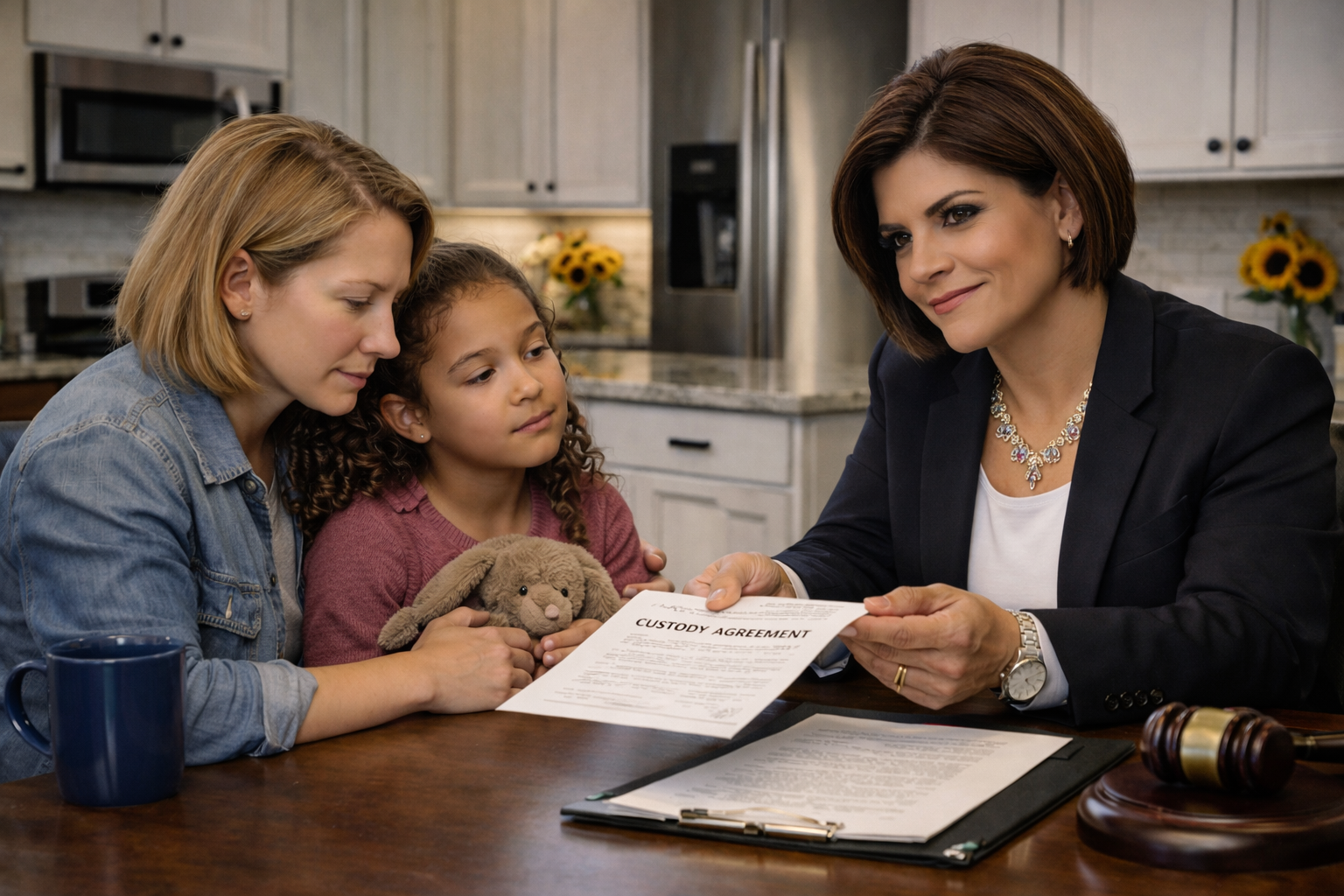
Child custody determines who has the legal authority and responsibility to make decisions for a child and where the child will live. Custody may be shared or awarded to one parent, depending on what arrangement best serves the child’s needs. Courts consider factors such as stability, parental involvement, and the child’s overall well-being when making custody decisions.
CHILD RELOCATION

Child relocation cases arise when a parent seeks to move with a child to a different city, state, or country. Because relocation can significantly impact the child’s relationship with the other parent, court approval is often required. Judges evaluate the reasons for the move, its effect on the child, and whether reasonable parenting time can be preserved.
CHILD SUPPORT
Child support is financial assistance paid by one parent to help cover a child’s basic needs, including housing, food, education, and healthcare. Support amounts are typically determined using state guidelines that account for income, parenting time, and expenses. The goal is to ensure the child’s financial needs are met fairly and consistently.
CONTEMPT

A contempt action is filed when a party fails to follow a court order, such as refusing to pay support or denying parenting time. The court has the authority to enforce its orders and may impose penalties, including fines or other legal consequences. Contempt proceedings are designed to ensure compliance and uphold the integrity of court rulings.
DIVORCE

Divorce is the legal process of ending a marriage and resolving issues such as property division, support, and parenting arrangements. It can be contested or uncontested depending on whether the spouses agree on key terms. The process aims to fairly address financial and family matters while allowing both parties to move forward independently.
FAMILY LAW MODIFICATION

A family law modification involves changing an existing court order related to custody, support, or parenting time due to a significant change in circumstances. Common reasons include changes in income, relocation, or a child’s evolving needs. Courts review modification requests carefully to ensure the updated order remains in the child’s best interests.
GRANDPARENT VISITATION

Grandparent visitation cases address a grandparent’s right to maintain a relationship with a grandchild when access has been limited or denied. Courts balance the parents’ rights with the child’s emotional well-being and existing family bonds. Visitation may be granted when it serves the child’s best interests.
GUARDIANSHIP

Guardianship grants a non-parent legal authority to care for and make decisions on behalf of a minor or incapacitated individual. This arrangement is often used when parents are unable to provide proper care. Guardianship can be temporary or permanent, depending on the circumstances and the individual’s needs.
PARENTING TIME

Parenting time defines when a child spends time with each parent and outlines schedules for weekdays, weekends, holidays, and vacations. The goal is to promote consistent, meaningful contact with both parents whenever possible. Courts prioritize arrangements that support the child’s stability and emotional well-being.
PATERNITY

Paternity actions establish a child’s legal father, which is essential for determining parental rights and responsibilities. Once paternity is established, issues such as custody, parenting time, and child support can be addressed. These cases provide legal clarity and help protect a child’s financial and emotional future.